Introduction
Wound treatment is a necessary facet of nursing and medical method that requires a high level of proficiency, particularly when handling complicated and persistent wounds. With the surge of problems such as diabetes mellitus and vascular illness, the need for specialized injury care has never ever been much more important. This short article delves deep right into advanced techniques in complex wound care, concentrating on training understandings for health care professionals. It covers various facets, consisting of wound care specialist training, nursing wound care training, and management techniques for chronic wounds.
The journey in the direction of coming to be a competent injury care expert involves strenuous education and functional experience. This short article aims to give not only in-depth insights right into the approaches and techniques of advanced injury care but likewise highlights the value of continual understanding with numerous wound care training courses.
Understanding Complex Wounds
What Are Complicated Wounds?
Complex wounds are specified as those that do not recover appropriately or within an anticipated duration. They often occur from numerous variables including underlying health and wellness problems, inadequate circulation, or infections. Unlike acute injuries that normally recover within weeks, complex injuries can persist for months or even years if not managed correctly.
Types of Complicated Wounds
Diabetic Ulcers
Caused by extended high blood glucose levels affecting blood circulation and nerve function.
Venous Ulcers
Resulting from inappropriate performance of venous valves in the legs, bring about merging of blood.
Pressure Ulcers
Often described as bedsores; they develop as a result of extended stress on the skin.
Arterial Ulcers
Caused by inadequate blood circulation to cells due to narrowed arteries.
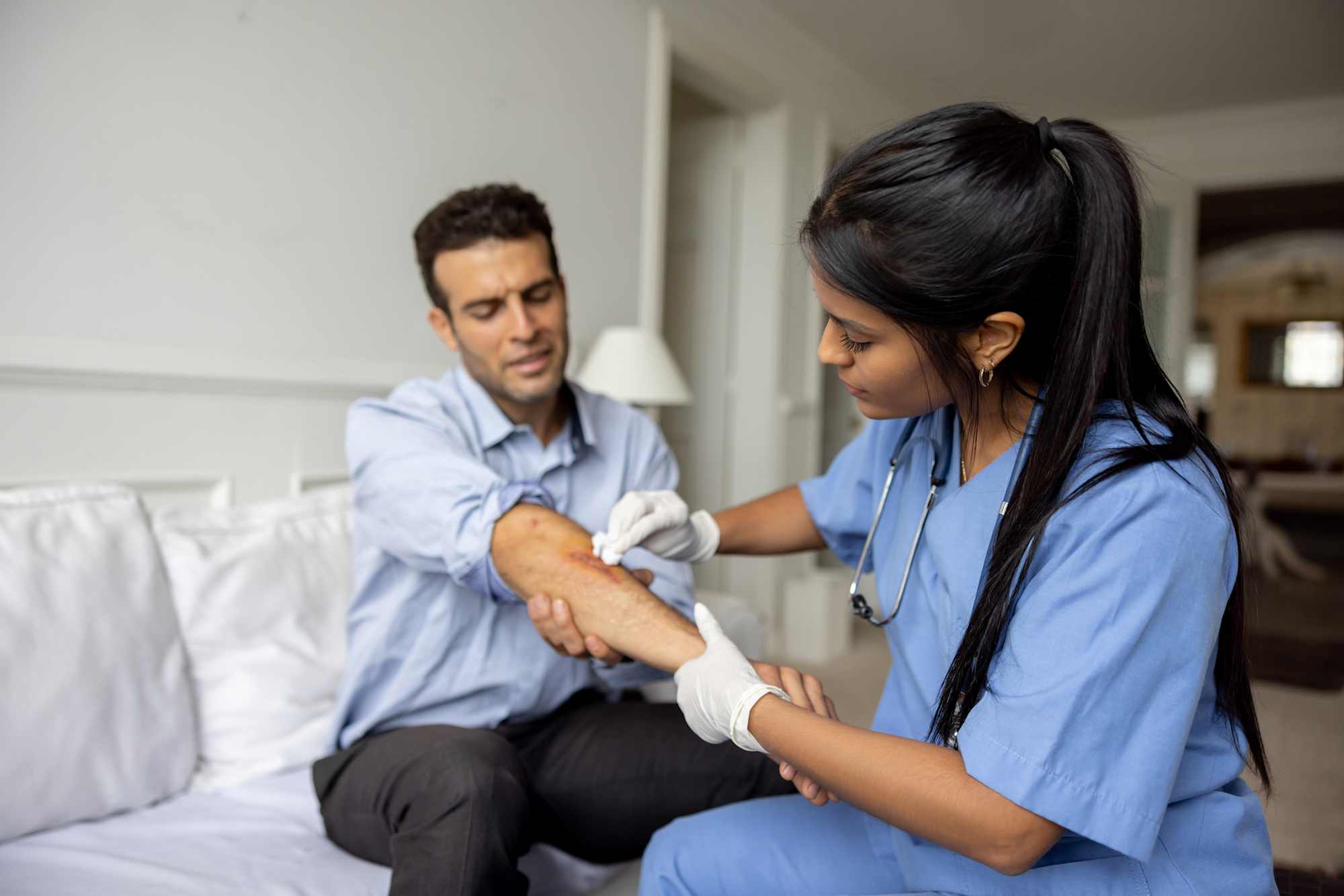
Challenges in Taking care of Facility Wounds
Managing facility injuries offers one-of-a-kind obstacles:


- Infection Control: Maintaining the wound free from infection while advertising healing. Pain Management: Lots of clients experience considerable discomfort associated with their wounds. Nutritional Assistance: Ensuring that patients receive adequate nutrition to promote healing.
Wound Care Expert Training
Importance of Specialized Training
Wound care requires specialized knowledge and skills that surpass standard nursing education and learning. An extensive understanding of anatomy, physiology, and the healing procedure is essential for effective treatment.
Components of Injury Care Professional Training
Anatomy and Physiology- Understanding skin layers and their functions.
- Differentiating in between intense and persistent wounds.
- Learning exactly how to carry out detailed assessments.
- Studying stages of wound recovery (hemostasis, inflammation, proliferation, renovating).
- Familiarizing oneself with dressings, medications, and progressed treatments like adverse stress injury treatment (NPWT).
Wound Care Educating for Nurses
Why Nurses Required Specialized Injury Treatment Training?
Nurses play a crucial function in handling individual injuries effectively. Specialized training equips them with essential skills to examine wounds accurately and implement efficient therapy plans.
Core Subjects in Nursing Injury Treatment Training
Assessment Skills
Training registered nurses to determine indicators of infection or complications.
Dressing Selection
Understanding which dressings are proper for different kinds of wounds.
Patient Education
Teaching clients concerning appropriate injury treatment at home.
Documentation Practices
Learning exactly how to record assessments and therapies accurately.
Wound Care Training Courses Available
Overview of Offered Courses
There are countless courses readily available varying from basic wound care training to advanced professional programs aimed at knowledgeable medical care professionals wanting to grow their expertise.
Basic Injury Care Training
- Designed for entry-level health care providers. Covers basic concepts such as composition, kinds of injuries, and basic dressing techniques.
Advanced Injury Care Accreditation Programs
- Targeted at experienced registered nurses who desire to specialize further. Includes subjects like NPWT, bioengineered cells, and multidisciplinary methods to wound management.
Nursing Wound Care Training: Secret Emphasis Areas
1. Assessment Techniques
Accurate analysis is extremely important in figuring out the appropriate treatment plan for complicated wounds.
A Step-by-Step Overview:
Inspect the injury dimension utilizing standardized methods (e.g., determining devices). Evaluate surrounding cells condition. Assess for indicators of infection (redness, warm). Document findings meticulously for future reference.2. Evidence-Based Therapy Protocols
Using evidence-based techniques makes sure that registered nurses use tested techniques in dealing with intricate injuries effectively.
Example Therapy Protocol:
|Therapy Method|Sign|| ------------------------|-------------------------------------------------|| Hydrocolloid Dressings|For non-infected shallow ulcers|| Alginate Dressings|For moderate-to-heavy exudate|| Antimicrobial Dressings|For infected or at-risk areas|
Chronic Wound Care Management Strategies
1. Multidisciplinary Approach
Involving a group making up physicians, nurses, dietitians, physiotherapists assists offer comprehensive care customized to private patient needs.
Benefits Include:
- Holistic client assessment. Coordinated treatment plans. Improved patient results with collective effort.
2. Patient-Centric Education
Empowering individuals with expertise concerning their conditions can improve involvement in self-care techniques which might bring about far better healing outcomes.
Educational Methods:
- Provide easy-to-understand material regarding their condition. Conduct workshops discussing best techniques in home care. Encourage questions about medicines or way of life changes associated with healing processes.
NDIS Wound Treatment Considerations
The National Impairment Insurance policy System (NDIS) addresses certain demands associated with special needs assistance including complicated wound monitoring strategies customized for people calling for ongoing assistance with their health and wellness needs.
Importance in NDIS:
Accessing specialized solutions can dramatically boost recovery outcomes. Tailored assistance strategies guarantee that people receive customized attention throughout their recuperation journey. Ongoing education pertaining to self-management promotes freedom among customers benefiting from NDIS services.Advanced Methods in Complex Wound Care: Emerging Trends
As modern technology develops so does the area of wound management-- ingenious products continue reshaping conventional approaches while likewise boosting healing procedures dramatically!
Emerging Technologies:
1) Bioengineered Skin Substitutes
- Used mostly in serious burns or diabetic ulcers where standard therapies have actually fallen short; these replacements promote quicker regeneration by simulating natural skin properties!
2) Negative Pressure Wound Treatment (NPWT)
- Utilizes suction innovation encouraging granulation cells growth while getting rid of excess exudate-- frequently used post-surgery or after trauma!
3) Telemedicine
- Facilitates remote consultations permitting professionals accessibility without geographical limitations! People benefit greatly that might otherwise have a hard time accessing quality healthcare services due physical distance!
FAQs Regarding Advanced Techniques in Complicated Wound Care
1) What is associated with fundamental injury treatment training?
Basic wound care training covers essential subjects such as types of wounds, first analysis techniques, dressing selection based on exudate levels-- all developed for entry-level practitioners!
2) For how long does it require to become a licensed injury treatment specialist?
Certification programs typically need a number of weeks/months relying on training course intricacy; most entail both theoretical coursework alongside functional analyses making certain guests gain direct experience!
3) Exists particular training offered with NDIS?
Yes! NDIS uses customized programs focusing on chronic problems calling for ongoing assistance including specialized trainings targeting caregivers promoting enhanced outcomes among clients requiring aid handling complicated situations effectively!
4) Why ought to registered nurses seek extra accreditations in advanced techniques?
Pursuing added certifications enhances skill sets allowing them address intricacies intrinsic within diverse populations yielding desirable results by means of recognized methods leading improved overall person satisfaction rates across settings!
5) What are some common mistaken beliefs about persistent wound management?
One mistaken belief recommends all chronic wounds will certainly heal given sufficient time-- nevertheless several need treatment making use of evidence-based practices together with regular tracking making certain ideal healing straightened desired results achieved!
6) How can telemedicine improve access for patients needing advanced treatments?
Telemedicine allows professionals seek advice from from another location reducing traveling burdens while enhancing availability supplying punctual analyses leading better educated choices regarding customized treatment intends eventually elevating top quality life people experiencing ndis wound care assistance significant challenges handling problems effectively!
Conclusion
Addressing complex injuries needs specialized knowledge backed by robust training frameworks made particularly furnish health care professionals take on complexities associated handling tough situations confidently! Constant advancements innovations along with incorporation ideal methods make certain optimal healing outcomes understood promoting much healthier lives amongst affected individuals browsing challenges provided via varied underlying variables contributing growth intricacies experienced routinely!
Through committed initiatives committed toward honing skills through extensive educational chances available today-- from fundamental essentials through professional level qualifications-- medical care employees placed encourage themselves enhance capacities offer those entrusted under their watchful assistance promoting more powerful neighborhood bonds built upon strength among misfortune encountered daily by countless individuals battling persistent wellness concerns stemming complexities linked injuries received over time!